Pixis — Building AI Marketing Products 0→1
How I took an AI creative platform from $0 to $10M ARR in five months, then shipped the co-pilot and performance layer around it — AdRoom (Creative AI), Prism, and Advance.
Outcomes
Three pillars
AdRoom — Creative AI
A Canva-style AI creative studio: prompt-to-on-brand static and motion ads, brand-guideline enforcement, bulk A/B variants, PSD import, and an approval + asset workflow. I led it from $0 to $10M ARR and cut graphic-designer load by 80%.
Prism — the AI co-pilot
A natural-language and voice co-pilot over campaigns: ask for performance, generate creative via AdRoom, get executive reports, and take one-click campaign actions. I led the 15-person team and the GTM that lifted trial-to-paid 25%.
Advance — Performance AI
The cross-channel optimization layer — 24/7 bid and budget tuning, audience segmentation, creative insights — riding on the Data Platform and Execution Engine I built earlier: 1M+ keywords/day, 400+ enterprise customers, 99.6% data-sync reliability.
Most “AI marketing” pitches die on contact with a real media buyer. The buyer doesn’t want a model — they want last week back: the hours lost waiting on creative, the dashboards nobody reads, the spend that drifted while everyone was in a deck. Over three years at Pixis I built the three products that try to give those hours back — the one that makes the creative, the one that moves the money, and the one you can just talk to — and learned the hard way which bets pay off and which ones only look good in a roadmap.
What follows is the honest version: the hypotheses we tested, the ones that were wrong, and the few that turned into a business. The figures I claim are mine are outcomes my teams drove; the product benchmarks (ROAS lift, customer wins) are Pixis’s own vendor-reported numbers, marked as such.
When I picked up AdRoom, the obvious story was “AI makes ads faster.” I didn’t believe it was the real constraint. Generation was already cheap; the thing that actually capped a campaign was the approval queue — a designer and a brand check standing between a marketer and a live variant. So the bet I made to the team was narrower than the company pitch: if we move brand-safe creation into the marketer’s own hands, speed takes care of itself.
We tested that with a forcing function instead of a focus group. Every new brand went through a two-week onboarding sprint with a hard goal — get them self-serving live, on-brand ads inside the window — and we instrumented activation, not logins. Four automotive and consumer-tech brands later, the sprint had produced $800K ARR in two months, and the full motion went $0 → $10M ARR in five months with a 20-person team. The sprint wasn’t onboarding theatre; it was the experiment that told us the wedge was right.
The bet lived or died on the AdRoom Editor — a real canvas, not a “regenerate” button. Marketers manage projects, edit layers, and collaborate where they used to file a ticket; AdRoom handles prompt-to-on-brand static and motion, bulk variants, and PSD import underneath.
The result that surprised even us: graphic-designer load dropped 80%, and the manual QA gate disappeared entirely. Designers didn’t lose the work — they moved from making every asset to setting the rails everyone else created inside.
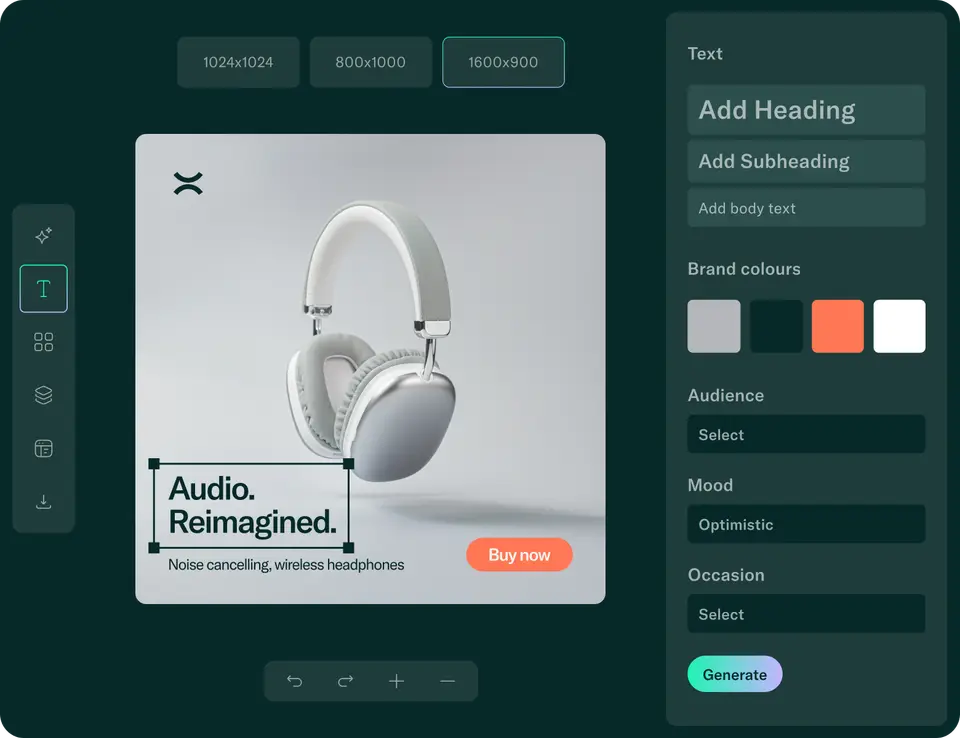
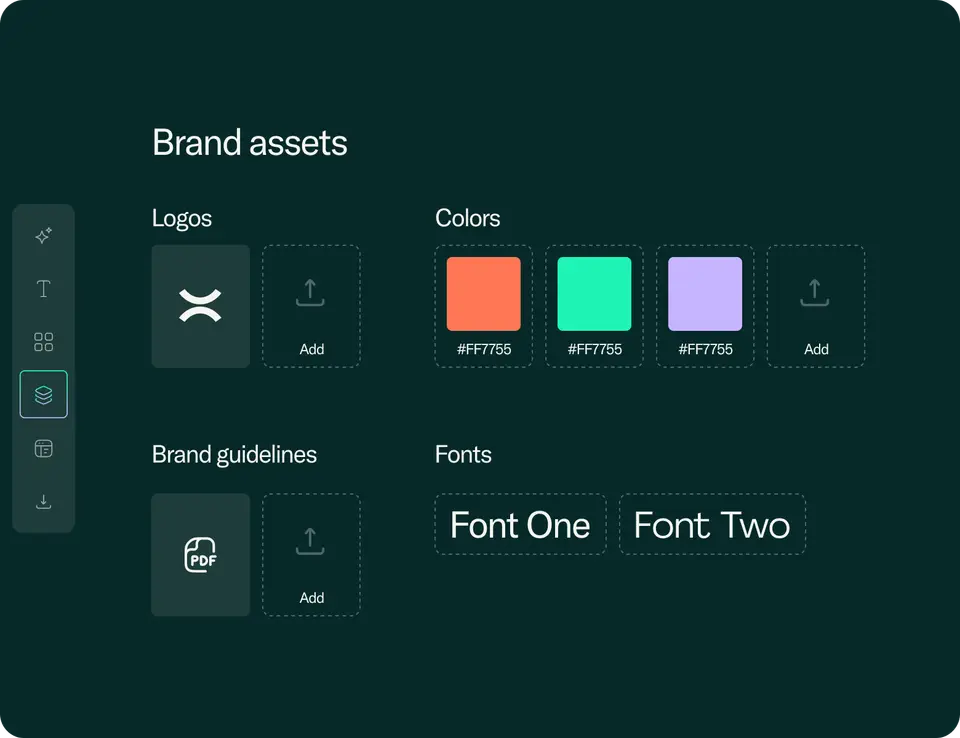
Killing the QA gate was only safe because of one unglamorous decision: enforce brand guidelines at generation time, not after. Fonts, colour, logo rules, and voice are constraints the model can’t violate, so “fast” never turned into “off-brand.”
That’s the line between a demo and something a brand will actually run unsupervised — and it’s why marketing trusted self-serve instead of quietly routing everything back through design.
Prism started from a different failure mode. The optimization worked, but adoption didn’t — and the data said it wasn’t the AI, it was the interface. People won’t learn a BI tool to find out why a campaign is slipping. My hypothesis: collapse query, creative, reporting, and the action into a single conversation, and the tool stops being homework.
I led the 15-person team across the natural-language and voice surfaces, but I owned the part most “AI co-pilot” launches skip — proving the value before the trial ends. We shipped interactive demo accounts, an ROI savings calculator, walkthroughs, and FAQs, and treated the funnel as the experiment. It moved: +25% trial-to-paid and −40% onboarding time. Fifteen-plus voice-of-customer interviews turned into exactly five roadmap features — not fifty — because the discipline was saying no to the other forty.
You just ask. Performance questions in plain language or voice, no dashboard; Prism watches campaigns, flags inefficiencies, catches creative fatigue, drafts assets through AdRoom, and lets you take one-click actions on what it recommends.
The hardest call here wasn’t NLP quality — it was how much to let the co-pilot do. One-click campaign changes are the whole magic and the whole risk, so the line we drew was: the AI proposes and explains, the human commits.
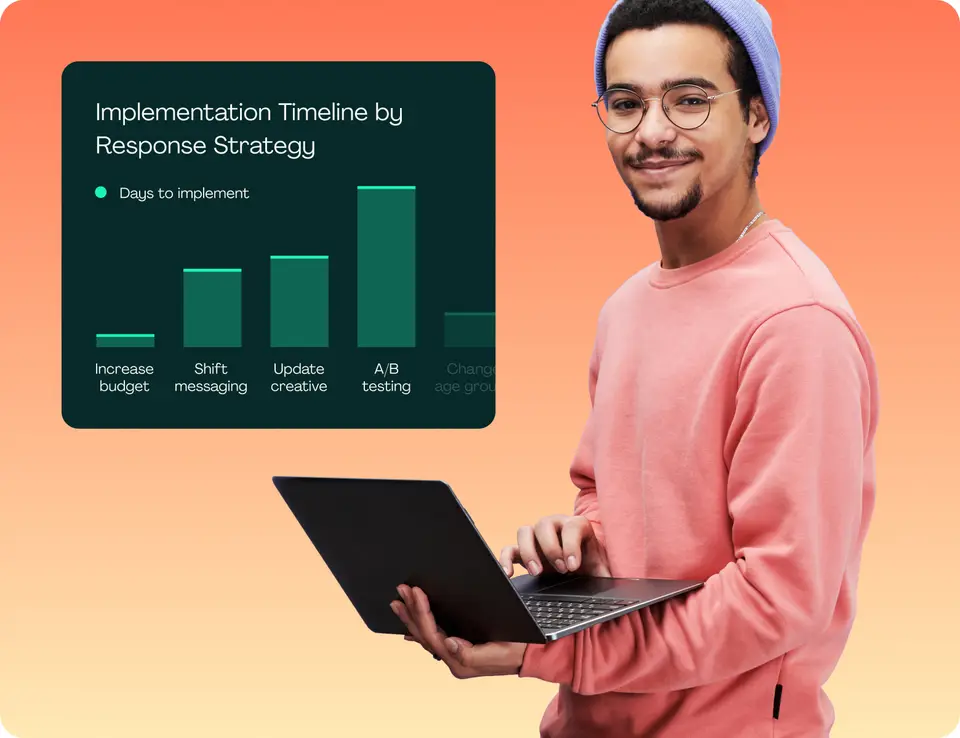
Spend is where trust is won or lost, so Prism leads with money — what’s working, what’s leaking, what to do next — in language an exec reads without a translator.
Pixis reports Prism customers seeing ~3× faster creative refresh, ~12% ROAS lift from faster fatigue detection, and 100+ team-hours saved per month (vendor-reported). Those are the product’s published numbers, not mine.
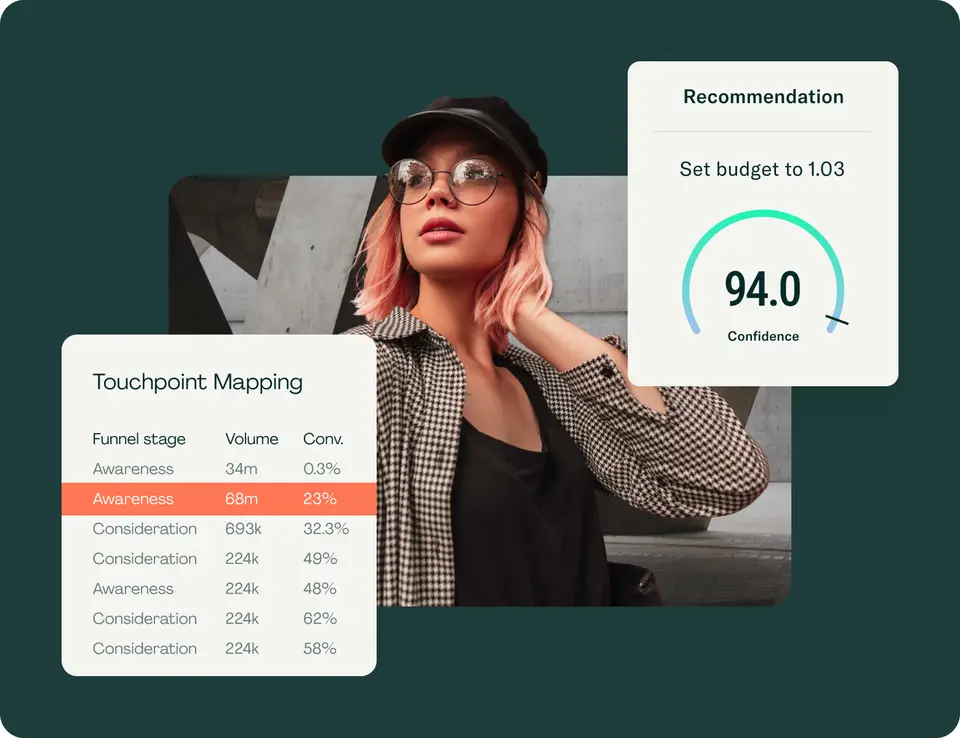
Advance is the easy part to demo and the hard part to trust. Cross-channel bid and budget tuning, behavioural segmentation, confidence-scored predictions — none of it means anything if the data underneath is late or wrong. That’s why my first mandate at Pixis wasn’t a shiny AI layer; it was the Data Platform & Execution Engine, with a 12-person pod and a deeply unsexy thesis: reliability is the product.
So I did the thing a less experienced PM skips — I made reliability a number we were accountable to. We set platform SLAs, automated validation and failure detection, and treated data freshness as a feature with a target. The engine ended up processing 1M+ keywords/day for 400+ enterprise customers at 99.6% end-to-end sync reliability, with availability delays cut from 4 hours to under 15 minutes. That number is the reason Advance’s recommendations were worth acting on.
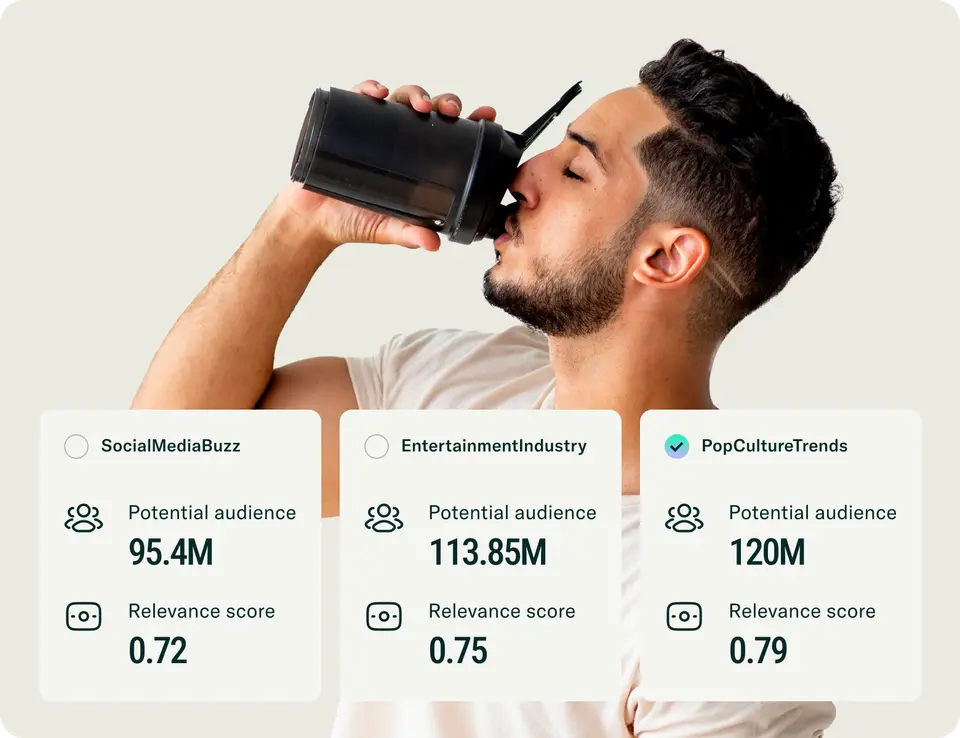
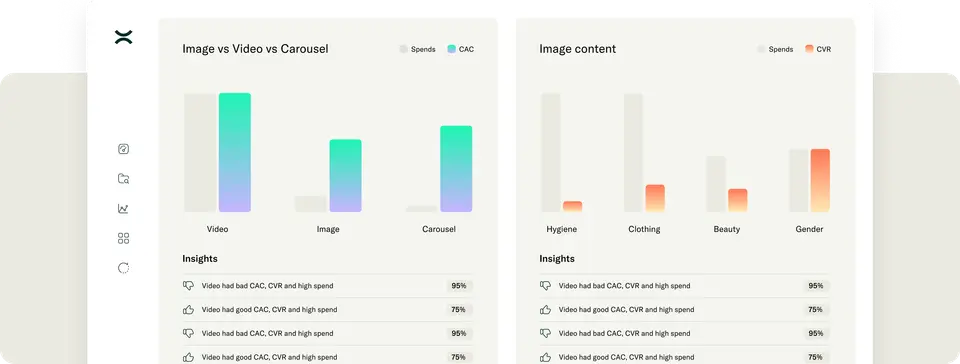
On top of that foundation, Advance segments audiences by behaviour and scores its own predictions, optimizing bids and budgets across Meta, Google, and beyond — 24/7, instead of whenever someone opened the account.
The confidence scoring mattered as much as the optimization: a recommendation you can’t rate is a recommendation a buyer won’t trust with real money.
The 2022–2024 stretch was foundation work, and the side quests carried it. I stood up the core Advance platform the later surface was built on, integrated Stripe for billing and subscriptions, and ran the MMP and third-party integration exploration — evaluating measurement partners (AppsFlyer and peers) and wiring the Google / Meta / Amazon / GA connectors the whole product feeds on.
None of it demos well. All of it is the difference between a prototype and a platform 400+ enterprises trust with revenue-critical spend.
Creative, decisioning, and the conversation that ties them together are one loop — the loop a performance marketer actually lives in. The part I’m proudest of isn’t the $10M headline; it’s that I shipped across the whole stack, from the reliability layer at the bottom to the co-pilot on top, and got to watch the pieces start to feed each other.
Product imagery © Pixis, used here to illustrate work I led. Positioning and feature descriptions are drawn from Pixis’s public product pages; personal outcomes are from my own work.
Related reading
AI Strategy: From Feature to Platform
A capstone frame for PMs: AI as bolt-on feature, integrated capability, and platform infrastructure, roadmaps that compound, the data flywheel, org readiness, and what to prepare for next.
Building AI Features: What PMs Need to Know
A model that scores well offline can still ship a product users hate. Here's the delivery playbook, evals, rollout, prompts as code, build versus buy, that keeps an AI feature honest end to end.
Data as a Product Requirement
How to treat data readiness as a product decision, not an engineering side quest.
Designing AI User Experiences
How AI reshapes UX: progressive disclosure, expectation-setting, failure design, trust calibration, human-in-the-loop, and why making confidence legible is the core product skill.